Understanding the "Crush On" Phenomenon in Tech
The term "crush on" may typically evoke thoughts of infatuation, but in the realm of technology, it unfolds a fascinating layer of emotions associated with software and development tools. Developers often find themselves enamored with specific software features or tools that not only enhance productivity but also inspire creativity and collaboration. This phenomenon is crucial as it helps shape the future of software development, guiding developers toward making more informed choices about the tools they use. When exploring options, crush on software features reflects an overarching trend of user engagement driving innovation in the tech industry.
What Does It Mean to Crush On Software?
Crushing on software transcends mere preference; it embodies a deep appreciation for the features, interface, and usability that resonate with developers and users alike. Simply put, it's about the excitement and satisfaction derived from utilizing a particular tool or feature that simplifies tasks or sparks innovation. This affection can derive from a tool's intuitive design, unique functionalities, or the way it integrates seamlessly into a developer's workflow. Such feelings often prompt developers to explore deeper functionalities and to advocate for these tools within their teams and organizations.
The Impact of User Engagement on Development
User engagement plays a pivotal role in the cycle of software development. When developers "crush on" specific features, it often leads to increased productivity and motivation, which in turn fosters an environment of creativity and innovation. Engaged users are more likely to provide feedback, report bugs, and suggest features, all of which contribute to the iterative development process. Understanding this engagement can help software teams prioritize which features to enhance or troubleshoot, ultimately leading to a better end product.
Why Developers Should Embrace Their Crushes
Embracing software "crushes" offers numerous advantages for developers. Firstly, recognizing and celebrating the tools that resonate with one's work can lead to a more enjoyable and effective development experience. Additionally, when developers share their excitement about specific features, they contribute to a collaborative environment where ideas can flourish. This sharing of passion not only boosts morale within teams but also enhances collective problem-solving ability, as team members can discuss and explore the features they find particularly useful or inspiring.
Key Features Developers Crush On
Innovative Tools That Enhance Productivity
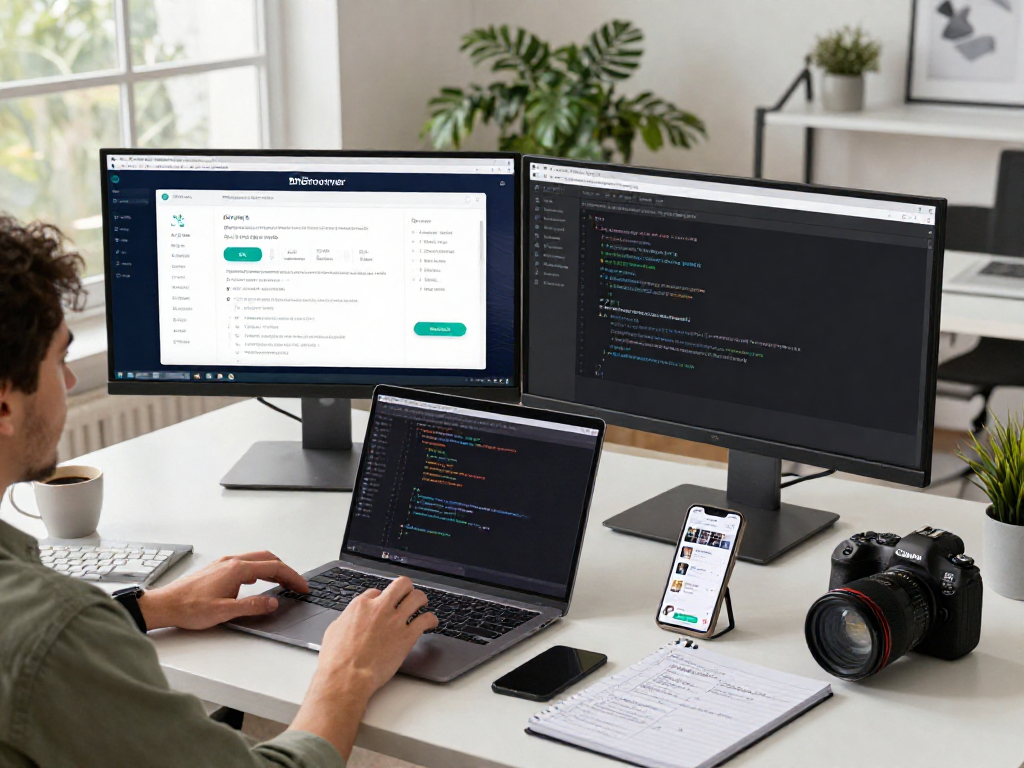
Innovative tools stand at the forefront of the tech landscape, shaping how developers work and interact with software. Features such as advanced code editors, automated testing frameworks, and project management tools that incorporate AI capabilities can significantly enhance productivity. Developers often gravitate towards tools that help them streamline their workflows and minimize repetitive tasks. For instance, integrations that allow a seamless connection between code repositories and CI/CD pipelines often become favorites due to the time they save and the reliability they offer.
Design Elements That Captivate Users
Design is a critical aspect that influences a developer’s bond with software tools. A well-thought-out user interface (UI) and user experience (UX) can make all the difference. Features like drag-and-drop interfaces, customizable dashboards, and responsive layouts are commonly preferred among developers. These elements not only make the tools aesthetically pleasing but also intuitively usable, which enhances the overall productivity and satisfaction of the user experience.
Integration Capabilities That Simplify Workflows
In an era where multi-faceted software tools are the norm, the ability to integrate effectively with other platforms is a major factor that developers look for. Tools that offer APIs or built-in integrations with popular services allow for seamless data transfer and process automation. For example, development environments that integrate with version control systems like Git can significantly streamline project workflows, making them a popular choice among developers who prioritize efficiency. Being able to "crush on" tools that simplify workflows means spending less time on administrative tasks and more time developing solutions.
Common Challenges in Identifying Crush-Worthy Features
Overcoming Feature Fatigue in Software Development
As the tech sector continually evolves, developers often face feature fatigue—a scenario where an overflow of features leads to confusion and diminished productivity. This challenge is compounded by the growing complexity of software tools. Developers must learn to discern which features genuinely provide value and which are merely distractions. Establishing a clear set of criteria for feature evaluation can help mitigate this issue, allowing teams to focus on those innovations that truly enhance user experience and productivity.
Balancing Innovation with User Needs
Striking the right balance between innovative solutions and user needs can be a daunting task for developers and product teams. Developers often feel the pressure to adopt the latest technologies, but this must align with user requirements and preferences. Engaging in user research, gathering feedback, and involving end-users in the development process can help teams identify which innovations are worth pursuing and which might overcomplicate the user experience.
Managing Team Expectations and Questions
When new features are introduced, managing team expectations becomes essential. Developers may have a natural enthusiasm for "crushing on" new tools, but it’s crucial to ensure that the entire team is aligned in their understanding and capabilities regarding these features. Establishing regular communication channels, such as team meetings and shared documentation, can help bridge knowledge gaps and maintain transparency about how new tools will impact the workflow and their expected benefits.
Best Practices to Cultivate Your Software Crush
Building a Collaborative Development Environment
A collaborative development environment is foundational for nurturing a culture where developers can freely express their software crushes. Encouraging open discussions about favorite tools, sharing tips, and promoting knowledge sharing can inspire team members to explore new functionalities together. Tools like Slack or Microsoft Teams can facilitate this exchange by allowing developers to share insights and celebrate successful implementations of tools they love.
Incorporating User Feedback for Improvement
User feedback is invaluable for continuous improvement in software development. Developers should actively seek feedback from users on features they find most useful or those they feel are lacking. Implementing feedback loops, such as surveys or user testing sessions, ensures that developers remain in touch with user needs and preferences. This not only helps in refining existing features but also aids in identifying new potential crush-worthy functionalities.
Leveraging Data to Make Informed Decisions
Data-driven decision-making has become increasingly critical in software development. By analyzing usage data, developers can uncover insights regarding which features users truly "crush on" based on their interaction patterns. Tools that provide analytics and reporting capabilities can guide developers in prioritizing enhancements, ensuring that the most valued features receive the attention they deserve.
Future Trends in Software Development for 2026
Emerging Technologies and Their Potential
As we look toward 2026, it’s clear that emerging technologies will significantly shape the software landscape. Innovations such as quantum computing, augmented reality (AR), and blockchain are set to revolutionize how applications are built and function. Developers will need to stay abreast of these changes, identifying which aspects of these technologies resonate with their work and how they can be integrated into existing systems.
Predictions for User Interaction and Experience
User interaction and experience will become even more paramount as expectations evolve. The trend of personalized experiences will drive the development of tailored software solutions, ensuring that users feel a connection with the tools they use. Features that adapt to individual user preferences will likely become a significant focus, as developers aim to create software that not only meets functional needs but also resonates emotionally with users.
The Role of Artificial Intelligence in Development
Artificial intelligence (AI) is set to play a transformative role in software development, automating routine tasks and enabling smarter applications. Developers will increasingly "crush on" AI-powered tools that enhance code quality, streamline testing processes, and provide predictive insights. Embracing AI will not only boost productivity but will also open up new avenues for software functionalities that developers have yet to imagine.
What makes software features crush-worthy?
Software features become crush-worthy when they offer intuitive usability, significant productivity enhancements, and an emotional connection that resonates with users. Features that simplify complex processes, provide unique functionalities, or create a visually appealing interface often capture developers' hearts.
How can developers efficiently integrate user feedback?
Developers can efficiently integrate user feedback by establishing regular feedback channels, such as surveys and user testing phases, and ensuring that this feedback translates into actionable insights in the development cycle.
What are the top tools for collaborative tech environments?
Top tools for fostering collaboration in tech environments include Git for version control, Jira for project management, and Slack for communication. These tools help create a structure that supports teamwork and shared knowledge.
What trends should developers watch for in the coming years?
Developers should keep an eye on trends involving AI integration, increased emphasis on user experience, and the rise of no-code and low-code platforms, which are likely to dominate the future software development landscape.
How to maintain team motivation when features become stale?
Maintaining team motivation can be achieved through regular retrospectives, celebrating small wins, and introducing new challenges or feature enhancements to reinvigorate enthusiasm about development tasks.